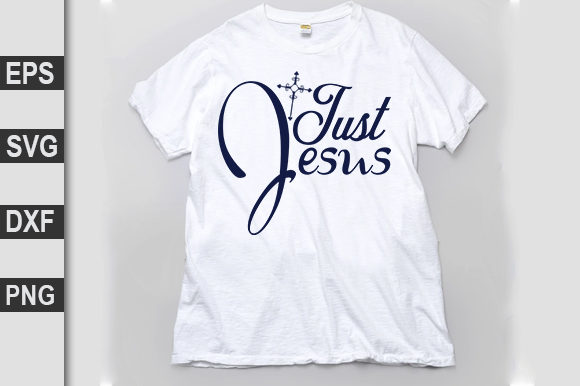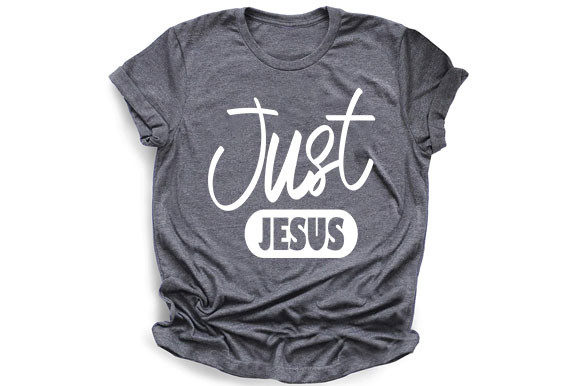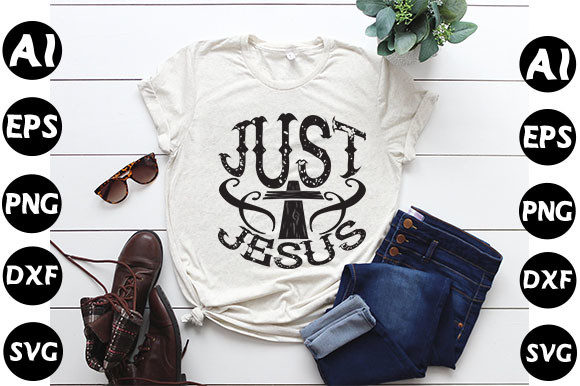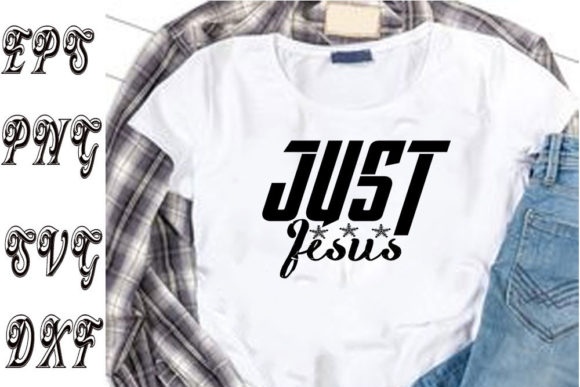
Christian SVG Design: Just Jesus
Christian SVG design has opened a new lane for creators who want to blend faith with functional art. When you focus on a theme like Just Jesus, the possibilities become both simpler and deeper. Instead of trying to represent an entire tradition, you center everything on one figure. This approach works for designers, bloggers, small business owners, and educators who want their visuals to carry clear spiritual meaning without clutter.
Scalable vector graphics are naturally versatile. They resize without losing quality, load quickly on websites, and integrate smoothly into print, digital, and merchandise workflows. Combining that technical strength with a focused Christian theme gives you a practical toolset for communicating faith through design.
What Makes Christian SVG Design with a Focus on Jesus Stand Out
When you strip back the symbols, icons, and complex theological imagery, a single subject remains at the center. A Just Jesus approach in SVG design takes that core and builds visual language around it. The result is clean, recognizable, and adaptable across many formats.
This kind of design resonates because it is direct. People looking for faith-based content often want clarity. A stylized silhouette of Jesus, a minimalist cross integrated with a name, or a scripture reference paired with a simple portrait can communicate more powerfully than a crowded graphic. For creators, this means less time hunting for the right combination of elements and more time refining the message.
Another strength is how well these designs scale across contexts. The same SVG file that works as a website header can also become a sticker, a T-shirt print, a bookmark, or a social media post. Designers and small business owners appreciate that sort of efficiency. Marketers and publishers can maintain brand consistency without recreating assets for every platform.
Creative Possibilities and Project Ideas
A focused Christian SVG library opens up many ways to use one theme repeatedly without feeling repetitive. Here are several directions you can take depending on your audience and goals.
Minimalist Portrait Series
One strong approach is creating a series of minimalist Jesus portraits. These might use only two or three colors, clean lines, and negative space. You can vary the composition: a side profile, a figure with arms open, or a face with a crown of thorns in silhouette. Each variation keeps the Just Jesus focus while giving you a collection that works for devotionals, greeting cards, or wall art. A blogger could use one portrait per post to create visual rhythm. A publisher might license a set for a series of journals.
Name and Title Combinations
Typography plays a major role in Christian SVG design. You can pair the word Jesus with titles like Savior, King, Redeemer, or Light in layered text layouts. Using different fonts, weights, and arrangements keeps each piece fresh. These designs work well for coffee mugs, phone cases, and framed prints. Entrepreneurs can test different title combinations to see what resonates with their audience without changing the core subject.
Scripture Pairings
Take a single verse and combine it with a Jesus-focused graphic. For example, John 14:6 with a minimalist path illustration, or Matthew 11:28 paired with an open-arms silhouette. The SVG format lets you keep the text editable, which is useful when adapting for different sizes or adding translation layers. Educators and pastors can use these for handouts, slides, and bulletin inserts. Designers can offer them as templates for clients who want scripture art that stays centered on Jesus rather than decorative elements.
Seasonal and Liturgical Variations
A Just Jesus theme does not have to be static. You can create versions that align with Advent, Christmas, Lent, Easter, and Ordinary Time. A nativity silhouette for Christmas, a risen figure for Easter, and a teaching pose for ordinary seasons. Small business owners can release limited drops based on the church calendar. Marketers can plan content around these seasons, knowing the design focus stays consistent while the context shifts.
Adapting Designs for Different Users and Platforms
Different audiences need different treatment of the same subject. A youth group might prefer bold, graphic lines and modern typography. An older congregation may appreciate more traditional, detailed linework and softer colors. The SVG format makes it easy to keep a master file and export variations tailored to each group.
For social media, simplicity wins. An SVG exported as PNG with a transparent background works for Instagram posts, Facebook covers, and YouTube thumbnails. Keeping the Jesus figure large in the frame and the background minimal helps the design read well on small screens. Freelancers can offer clients a set of pre-sized exports for each platform, saving time and ensuring consistency.
For print, the vector format shines. T-shirt shops need clean files that separate colors for screen printing. Publishers need high-resolution art for book interiors. SVG files can be converted to EPS or PDF without quality loss. If you are a designer selling assets on a platform like Etsy or Creative Market, offering both SVG and PNG versions with a usage guide helps buyers feel confident.
Bloggers and educators might use these designs as visual anchors. A single Jesus silhouette at the top of a post can establish tone quickly. Repeating the same visual style across a series creates a branded look that readers recognize. That kind of consistency builds trust and makes your content feel cohesive.
Style Approaches and Visual Directions
How you render the subject changes the feel of the design. Here are some stylistic directions that work well with a focused Christian theme.
- Line art: Single-weight lines create a clean, modern look. Ideal for minimalists and tech-savvy audiences. Works in black, white, or single accent colors.
- Silhouette: Solid shapes with no interior detail. Instantly readable at small sizes. Great for logos, stickers, and social media icons.
- Geometric: Composed of triangles, circles, and straight lines. Feels contemporary and abstract. Appeals to younger demographics and design-forward brands.
- Hand-drawn style: Slightly irregular lines that feel organic. Warm and approachable. Works well for print materials aimed at families and small groups.
- Stained glass inspired: Segmented color fields with bold outlines. Connects to traditional church aesthetics. Good for commemorative pieces and special editions.
Each style can carry the Just Jesus theme without adding extra symbols or text. The subject itself carries the meaning. You are free to vary the aesthetic without diluting the message.
Keeping Results Clear, Consistent, and Audience-Friendly
When you work with a single subject, clarity becomes your main advantage. But that clarity only works if you maintain it through every iteration. Here are a few practical recommendations.
First, set a color palette and stick to it. Even if you offer multiple variations, keeping the same two or three core colors across your designs builds instant recognition. A palette of deep blue, warm gold, and white can feel reverent and premium. A palette of charcoal, cream, and red feels bold and grounded. Choose based on your audience, not trends.
Second, keep the Jesus figure visually consistent across your series. The proportions, posture, and level of detail should follow the same rules from file to file. This is especially important if you are selling assets or building a brand. Inconsistent styling confuses buyers and weakens brand identity.
Third, test your designs at multiple sizes. An SVG that looks stunning on a desktop screen might lose detail on a small sticker or phone wallpaper. Zoom out and check readability at 1 inch, 2 inches, and 4 inches. Adjust line weights and spacing so the design works across all intended uses.
Fourth, organize your files clearly. Name each SVG with the theme, style, and intended use: Jesus_Silhouette_WallArt.svg or Jesus_LineArt_Social.svg. Creators and entrepreneurs who buy your work appreciate logical file naming. It saves them time and makes your product feel professional.
Fifth, consider your audience’s context. A youth pastor downloading your design for a camp T-shirt has different needs than a church media director preparing slides for a service. Offer guidance on how each file can be adapted. A simple readme or usage note goes a long way.
Practical Inspiration for Different Creators
If you are a freelance designer, a focused Christian SVG collection can become a signature product. Build a set of 20 Jesus-centered designs, test them with a small audience, and then expand based on what sells. You are not guessing what people want; you are offering a clear, consistent theme and letting the market tell you which variations resonate.
If you are a small business owner, use these designs to create merchandise that ties to your brand values. A coffee shop with a faith-based identity could sell mugs and tote bags featuring minimalist Jesus graphics. The SVG files let you produce small batches without minimum order hassles.
If you are a blogger or content creator, use a consistent Jesus graphic as your visual signature. Place it on every post, in your email header, and across your social profiles. It becomes a silent anchor that tells readers what your content is about before they read a single word.
If you are an educator or pastor, create handouts and slides that use the same design language. When your teaching materials have a consistent visual thread, your audience can focus on content rather than being distracted by mismatched graphics.
If you are a hobbyist or crafter, SVG files let you create your own faith-based decor, gifts, and apparel without starting from scratch. You can resize, recolor, and combine elements to suit your personal style. That flexibility is one of the main reasons vector design has become so popular for personal projects.
Bringing It All Together
Christian SVG design centered on Just Jesus is not a limitation. It is a focus that gives your work direction, clarity, and emotional weight. Whether you are creating for yourself, for a client, or for a community, the simplicity of a single subject allows your design to carry meaning without distraction.
The practical benefits are real: scalable files, multi-platform use, easy customization, and a coherent visual identity. The creative benefits are just as valuable: a theme that connects with people on a personal level and leaves room for expression within a clear framework.
Start with one style, one palette, and one core graphic. Build from there. The best way to discover what works is to create, share, and iterate. Your audience will tell you what they need, and your SVG designs will be ready to adapt.