Crafting Sacred Symbols: The Art of Christian SVG Design and the Faith Over Fear Movement
Digital worship has taken many forms over the past decade, but few creative practices have resonated as deeply as Christian SVG design. At the heart of this movement lies a simple yet profound phrase: Faith over Fear. This combination of visual art and spiritual declaration has become a cornerstone for believers who want to express their convictions through modern media. Understanding how these two elements intersect opens up a world of practical creativity for everyone from professional graphic artists to hobbyists working on church bulletins.
What Makes Christian SVG Design Distinctive
Scalable Vector Graphics, or SVGs, are not new to the design world. They have been a staple for web developers and print designers for years because of their crisp resolution at any size. However, Christian SVG design brings a unique set of considerations to the table. Unlike generic clip art, these graphics must carry theological weight, emotional resonance, and visual clarity all at once.
A well-crafted Christian SVG often incorporates familiar iconography such as crosses, doves, fish symbols, open hands, or stylized light rays. But the real artistry emerges when designers blend these traditional elements with contemporary aesthetics. Minimalist line art, watercolor textures, and modern typography allow centuries-old symbols to speak to a new generation without losing their sacred meaning.
Designers working in this niche quickly learn that simplicity is not a limitation but a strength. Because SVGs are vector-based, each line and curve must be intentional. A cross rendered with too many intricate details may lose its impact when scaled down for a social media profile picture. Conversely, a minimal design can become iconic when executed with precision. This balance between detail and readability is what separates ordinary Christian SVGs from truly memorable ones.
The Role of Typography in Christian SVG Design
Typography plays a pivotal role, especially when phrases like Faith over Fear are central to the design. Choosing the right font can make the difference between a graphic that feels cheap and one that inspires reflection. Serif fonts often convey tradition and reverence, making them suitable for classic designs. Sans-serif fonts, on the other hand, feel clean and approachable, perfect for modern worship spaces or casual apparel.
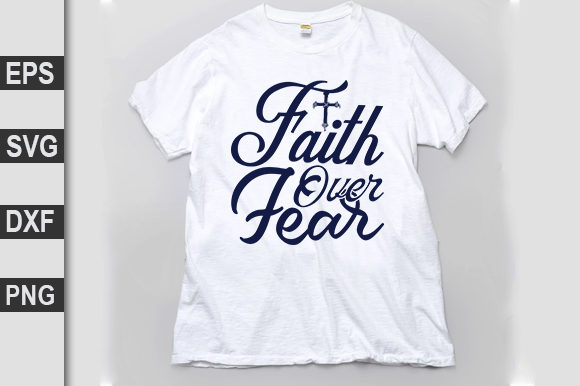
Beyond font choice, the arrangement of text within the SVG matters. In Faith over Fear designs, the phrase is frequently split across multiple lines, or the word "Faith" is given more visual weight than "Fear." This hierarchy reinforces the message without needing additional commentary. Color also enters the equation—gold, navy, and soft gray are popular choices for conveying hope and steadfastness, while brighter tones like coral or teal can make the design feel more inviting.
Why Faith Over Fear Resonates as a Design Theme
The phrase Faith over Fear has become a rallying cry in many Christian circles, and its popularity in SVG design is no accident. It addresses a universal human experience—anxiety—while offering a distinctly spiritual solution. When someone places this phrase on a wall art print, a T-shirt, or a digital wallpaper, they are not just decorating their space. They are making a declaration about how they choose to live.
From a design perspective, this theme offers rich possibilities. The contrast between "Faith" and "Fear" allows for visual tension that can be resolved through composition. Designers often use opposing elements: light versus dark, upward motion versus downward pull, or organic shapes versus rigid lines. This conflict and resolution mirror the emotional journey that the phrase describes. A person might be in the midst of fear, but the design reminds them that faith ultimately prevails.
Christian SVG designers have also noticed that Faith over Fear works well across multiple platforms. On Instagram, it might appear as a minimalist quote graphic. On Etsy, it could be a digital download for a framed print. In a church presentation, it could serve as a sermon slide background. The versatility stems from the phrase's ability to speak into specific situations—job loss, health crises, relational struggles—while remaining broadly applicable.
Practical Applications for Faith Over Fear SVGs
Understanding where these designs are used helps creators produce work that meets real needs. Here are several contexts where Christian SVGs featuring Faith over Fear have found a natural home:
- Home decor: Many believers decorate their homes with framed prints or vinyl wall decals that feature this phrase. An SVG file allows them to cut the design on a Cricut or Silhouette machine, creating a custom piece that matches their room's color scheme.
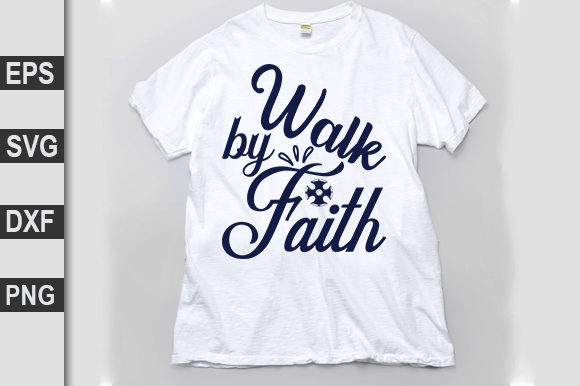
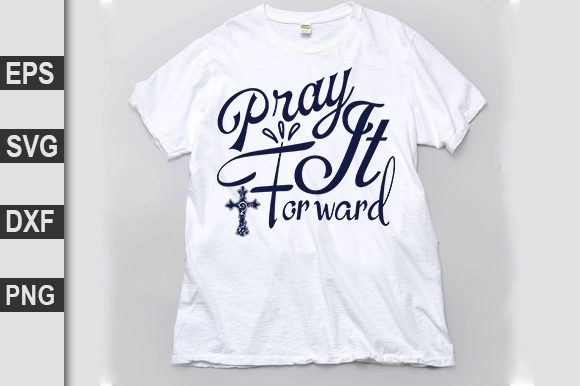
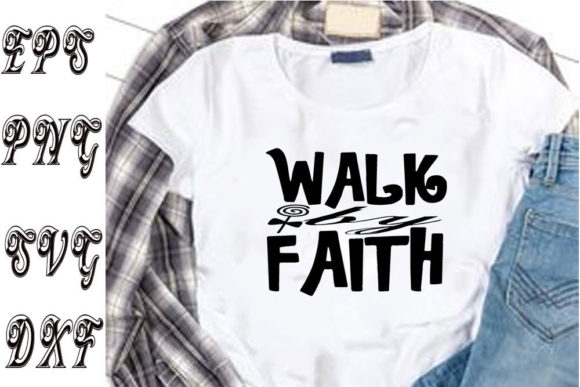
- Wearable items: T-shirts, hoodies, hats, and tote bags often carry Faith over Fear designs. Because SVGs scale perfectly, a single file can be used for a small pocket logo or a large back print without losing quality.
- Digital content: Social media graphics, YouTube thumbnails, and blog headers benefit from SVG files because they load quickly and remain sharp on retina displays. A pastor sharing a daily devotion might use a Faith over Fear SVG as a consistent visual brand.
- Church resources: Bulletin covers, flyers for events, and signage for prayer stations can all incorporate Christian SVG design to create a cohesive visual identity across printed materials.
- Gifts and keepsakes: Personalized gifts such as mugs, keychains, or journals with Faith over Fear motifs are popular for baptisms, confirmations, or encouragement packages sent to friends going through hard times.
Each of these applications requires different file preparation. A designer who understands the end use can optimize their SVG accordingly—simplifying details for small cuts on a vinyl plotter or adding layered elements for digital display.
Technical Considerations for Christian SVG Designers
Creating effective Christian SVGs goes beyond artistic ability. Technical knowledge ensures that the file functions properly across different software and hardware. One common mistake among beginners is designing with too many nodes or overly complex paths. This can cause rendering issues in programs like Cricut Design Space or Silhouette Studio, where the software may slow down or produce jagged cuts.
Designers should also pay attention to how their SVGs handle color. While SVGs support full color, many crafting machines read color channels differently. A design that looks beautiful on screen might not cut correctly if the strokes and fills are not properly assigned. For multi-layer projects, each color should be on its own clearly labeled layer so the user knows which pieces to cut from which material.
Another consideration is licensing. Many Christian SVG designers share their work on platforms like Creative Market, Etsy, or Design Bundles. Buyers often want commercial use licenses, especially if they plan to sell finished products like T-shirts or mugs. Clearly stating the terms of use builds trust and prevents legal confusion. Designers who offer free files should also specify whether the files can be used for ministry purposes, personal projects, or resale.
Optimizing for Search and Discovery
For those who sell or share Christian SVG files online, discoverability is crucial. Descriptive file names and alt text help search engines understand what the graphic contains. Instead of naming a file "design-final.svg," something like "faith-over-fear-cross-sunrise-svg.svg" provides context. Including detailed descriptions in product listings that mention related terms like "Christian SVG design," "bible verse svg," or "faith based clip art" improves ranking without resorting to keyword stuffing.
It is also worth noting that many shoppers search for SVG files by the specific machine they own. Including phrases like "Cricut compatible" or "Silhouette friendly" can attract users who need assurance that the file will work with their equipment. However, these technical details should never overshadow the spiritual and artistic value of the design itself.
Community and Collaboration in the Christian SVG Space
One of the most rewarding aspects of Christian SVG design is the sense of community that surrounds it. Designers, crafters, and ministry leaders often share tips, freebies, and inspiration through Facebook groups, Pinterest boards, and Instagram hashtags. This collaborative spirit mirrors the biblical principle of using one's gifts to serve others. A designer who creates a beautiful Faith over Fear SVG might offer it freely to a missionary family or a small church with no budget for professional graphics.
Feedback loops within these communities also help designers grow. A beginner might post their first attempt at a cross vector and receive constructive advice on line weight or curve smoothness. More experienced designers often share their workflows, including which software they prefer—Adobe Illustrator, Inkscape, or Affinity Designer—and how they prepare files for different craft machines.
This ecosystem benefits everyone. Buyers gain access to affordable, high-quality Christian SVGs that they can personalize. Designers receive exposure, encouragement, and sometimes income. Churches and ministries get materials that look professional without requiring a full-time graphic designer on staff. The entire cycle is fueled by a shared desire to spread messages of hope, faith, and courage.
Trends Shaping Christian SVG Design Today
Like any creative field, Christian SVG design evolves with cultural shifts and technological advances. Currently, several trends are worth noting for anyone who wants to stay relevant:
- Earthy palettes: Terracotta, olive, sand, and muted gold are replacing brighter primary colors. These tones feel grounded and timeless, which aligns well with themes of faith and endurance.
- Hand-lettered aesthetics: Even though SVGs are digital, many buyers prefer designs that look hand-drawn. Slight imperfections in lettering or organic brush strokes add warmth and authenticity.
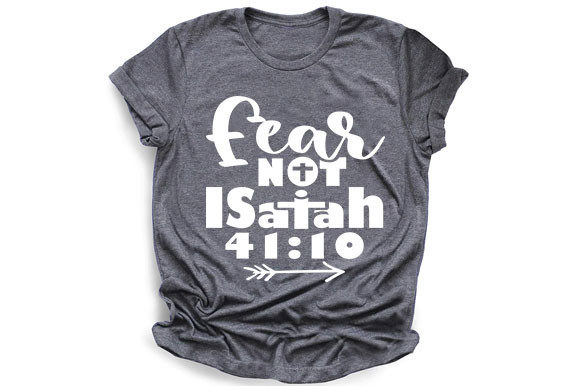
- Scripture integration: While Faith over Fear is a distilled message, many designs now pair it with a Bible reference such as Isaiah 41:10 or 2 Timothy 1:7. This adds depth and invites the viewer to explore the original context.
- Layered designs: With multicolor cutting machines becoming more accessible, layered SVGs that require assembly are popular. A sunrise background, a cross overlay, and text on top create a dimensional final piece.
- Gender-neutral styles: Designers are moving away from overly feminine floral motifs or rugged masculine fonts. Clean, balanced compositions appeal to a wider audience and work in diverse spaces.
These trends indicate that Christian SVG design is maturing. It is no longer just about slapping a verse on a generic background. It is about thoughtful composition, color theory, and typographic harmony that honors the message being conveyed.
Balancing Aesthetics and Theology
Perhaps the most delicate aspect of Christian SVG design is maintaining theological integrity while producing something visually compelling. A design that looks beautiful but misrepresents biblical concepts can confuse or mislead viewers. Designers who take the time to understand the meaning behind the symbols they use create work that resonates more deeply.
Take the phrase Faith over Fear as an example. Some might interpret it as a command to deny the reality of fear. But a more nuanced understanding acknowledges that fear is a natural emotion, and faith is the intentional choice to trust God despite that fear. A design that visually acknowledges this tension—perhaps by depicting a storm with a calm center—can communicate the message more faithfully than a simplistic statement.
Designers who consult with pastors, theologians, or knowledgeable church members before finalizing a complex design often find that their work gains depth. This collaborative approach does not diminish the designer's creative voice; it enriches it by grounding the art in truth.
Practical Advice for Aspiring Christian SVG Designers
For those who feel called to contribute to this space, starting is simpler than it might seem. Begin by studying existing Christian SVG files to understand what works visually and what sells well. Notice how different designers handle composition, color, and typography. Then practice recreating simple elements like a basic cross or a dove to build technical skill.
Software choice matters less than consistency. Whether using professional tools like Adobe Illustrator or free alternatives like Inkscape, the key is to learn the vector tools thoroughly. Understanding how to use bezier curves, path operations, and alignment features will allow you to execute any idea with precision.
Sharing your work early, even if it is not perfect, invites feedback and builds momentum. Online platforms like Gumroad, Etsy, or even a personal blog can serve as distribution channels. Many successful Christian SVG designers started by offering a few free designs to build an audience before launching paid products.
Above all, remember that your work has a purpose beyond aesthetics. Every time someone downloads a Faith over Fear SVG to create a gift for a struggling friend, or every time a church uses your design for a sermon series, you are participating in something larger than graphic design. You are helping people articulate their faith, confront their fears, and find visual reminders of hope.
Christian SVG design, when done with care, becomes a form of ministry. And themes like Faith over Fear ensure that this ministry speaks directly to the human heart. Whether you are a seasoned designer or a hobbyist with a passion for faith and creativity, there is a place for you in this growing tradition. The tools are accessible, the audience is eager, and the message is timeless. What remains is the willingness to create, share, and inspire through the sacred art of digital design.