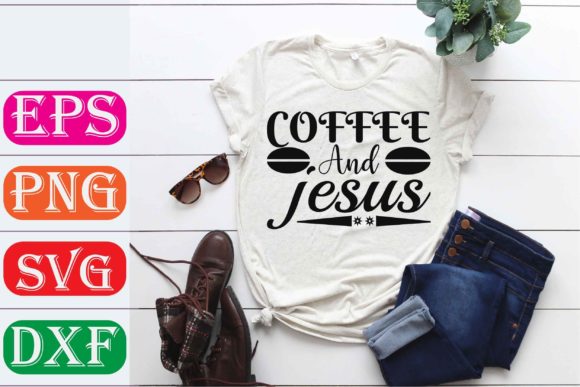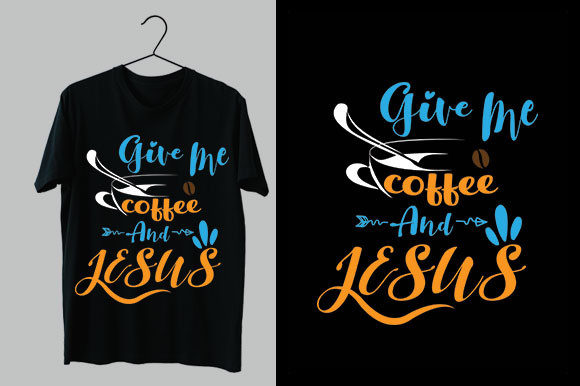
Give Me Coffee and Jesus: A Design Trend
There is a distinct visual warmth that instantly sets a brand apart, often found in the deliberate combination of rustic textures, hand-lettered typography, and an unmistakable sense of purpose. This intersecting point of comfort and conviction is exactly the essence of the Give Me Coffee and Jesus design trend. For graphic designers and brand strategists, this aesthetic represents more than just a popular style; it is a powerful framework for creating deep emotional resonance and a loyal community around a brand identity.
Why This Aesthetic Matters in Visual Design
In a digital landscape saturated with polished, predictable content, audiences are craving authenticity and connection. The Give Me Coffee and Jesus movement thrives on emotional branding and storytelling. It moves beyond simple transactions to communicate core values, faith, and a lifestyle of intentionality. From a professional design perspective, this approach masterfully utilizes visual hierarchy and typography to create a sense of calm and trust. The aesthetic proves that modern aesthetics do not have to be cold or sterile; they can be deeply personal while maintaining a highly professional visual design polish.
Practical Applications Across Creative Projects
This style is incredibly versatile, offering a rich library of creative assets for a variety of mediums. Whether you are working on a brand launch or refreshing an existing company’s look, these elements provide a cohesive and user-friendly framework.
Branding and Logo Design
Custom typography is the hero here. A hand-drawn script logo paired with a sturdy, legible sans-serif creates the perfect balance of personality and professionalism. This combination is exceptionally effective for logo design and overall brand identity, particularly for lifestyle bloggers, coffee shops, faith-based organizations, and wellness brands.
Digital and Print Collateral
- Social Media Graphics: Warm color palettes (think creamy whites, terracotta, and muted golds) paired with organic textures (like grain overlays) create instantly recognizable feeds that stop the scroll.
- Web and UI Design: Translating this warmth into web design and UX design requires deliberate spacing and high-contrast typography for readability. This ensures the site feels inviting without sacrificing usability or conversion goals.
- Editorial and Print Design: From planner pages to devotional journals, the use of botanical illustrations, handwritten notes, and soft paper textures elevates editorial design into a tactile, immersive experience.
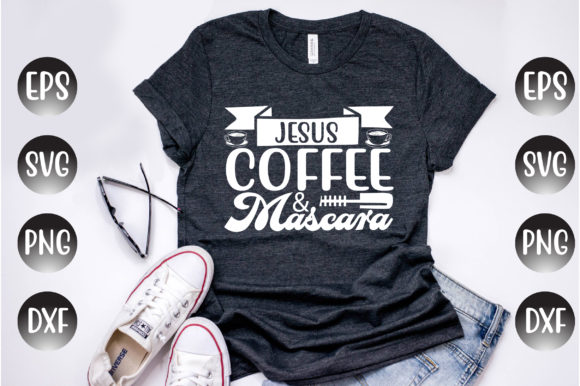
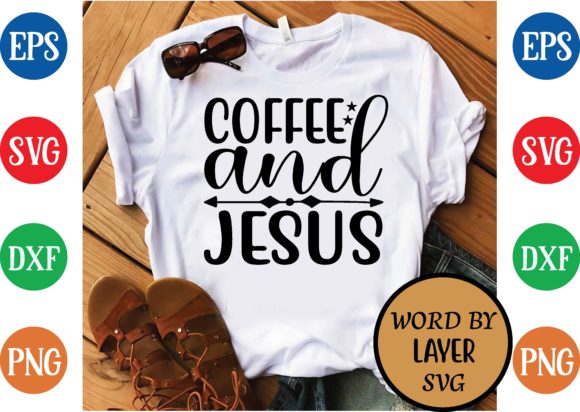
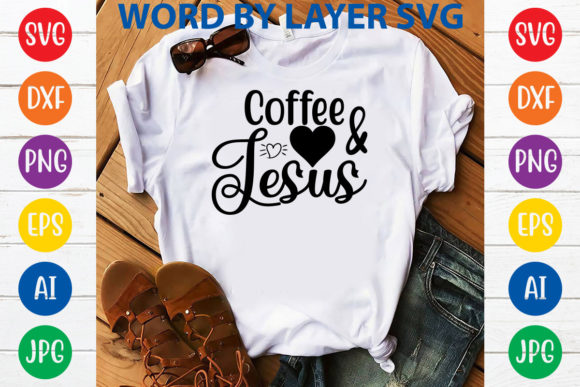
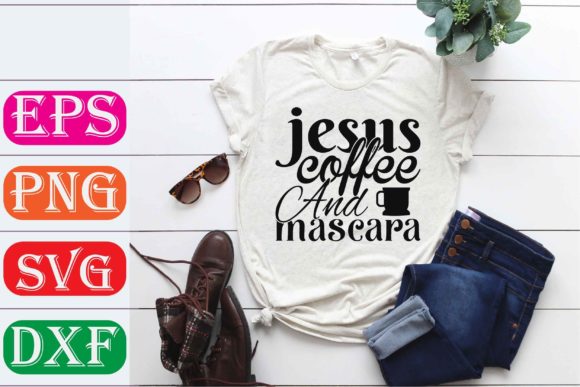
- Packaging and Merchandise: Coffee labels, tote bags, and apparel become extensions of the brand story. The focus on packaging design with minimal, heartfelt details creates a premium unboxing experience that encourages sharing and engagement.
Key Visual Elements to Master
To successfully integrate this style into your design workflow, focus on three foundational components. First, typography must be both beautiful and functional; ensure your chosen script is legible at small sizes for print design and digital screens. Second, curate a color palette that feels grounded and inviting—earthy browns, soft greens, and warm neutrals consistently outperform harsh, saturated colors in this context. Finally, rely on authentic creative projects imagery. Lifestyle photography that feels candid and genuine will always support the professional presentation better than generic stock photos.
Tips for Building a Cohesive Brand Identity
Consistency is the bridge between a collection of pretty elements and a powerful brand. When selecting creative assets for a project inspired by this niche, always evaluate them through the lens of your client’s core message. Ask yourself: Does this color palette align with their values? Does this font scale well for both a billboard and a mobile screen? Visual design success in this space comes from layering textures, typography, and imagery in a way that feels intentional, not chaotic. For digital marketing and social media graphics, maintaining a strict grid system or template helps the warm, organic elements stay organized and professional.
The aesthetic represented by Give Me Coffee and Jesus is a testament to the power of designing with purpose. It proves that graphic design is not just about making things look beautiful, but about creating a feeling of belonging. Whether you are designing a brand identity for a local café, creating UI design for a faith-based app, or building social media graphics for a lifestyle influencer, leaning into this blend of intentionality and warmth will transform your creative projects from simple visuals into genuine, lasting connections.