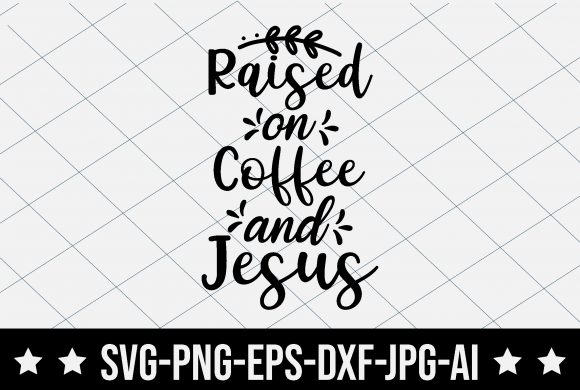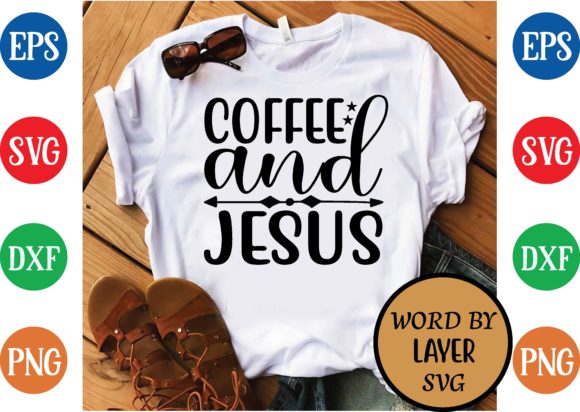
Raised on Coffee and Jesus T‑Shirt
A t‑shirt that reads Raised on Coffee and Jesus does more than cover your shoulders. It stitches together two everyday anchors—the morning brew and an abiding faith—into a single, wearable statement. For some, it is a quiet nod to routines that ground them. For others, it is a conversation starter, a badge of belonging, or simply a soft cotton tee that fits just right. The phrase lands differently depending on who you are and what you value, and that versatility is exactly what makes it worth a closer look.
What the phrase means across different lives
At its simplest, the shirt declares two influences: coffee as a daily ritual and Jesus as a central belief. But the weight of each word shifts with the wearer. A busy parent may see it as a humorous nod to survival—caffeine plus faith equals enough grace to get through the morning rush. A young professional might wear it to signal that their faith is not tucked away on Sundays but lived out in Monday meetings. A college student could treat it as a low‑key way to express identity without having to explain themselves every time someone asks what they believe.
The phrase works because it does not preach. It shares. And because coffee is nearly universal, the shirt invites even those outside a faith tradition to ask, What’s the story behind that? That openness is rare in apparel that carries a religious message, and it is a big part of why the shirt appeals to such a wide range of people.
Faith‑driven individuals and church communities
If you are active in a church, small group, or ministry, this shirt may feel like an extension of your everyday witness. You probably care most about how the message lands on others—whether it feels genuine, not forced. A well‑made t‑shirt with a clean, readable design can open doors for natural conversations about faith without awkwardness. Church volunteers often stock these for retreats, outreach events, or as a simple way to build community among members. The long‑term usefulness here is high: a shirt that holds up through many washes and many conversations becomes a reliable tool for connection.
Creators, designers, and small business owners
If you design or sell apparel, you look at this shirt differently. You ask: Is the typography legible? Does the layout work on different body types? Will the ink crack after three washes? Quality matters not just for the product itself but for your reputation. A shirt that feels cheap undercuts the message. Experienced creators also consider whether the design is flexible enough to be adapted—maybe a version with a simpler logo, or one that uses a muted color palette for a more minimalist audience. Beginners in the apparel space might start with a design like this because its demand is steady and the sentiment resonates, giving them a safe entry point into print‑on‑demand or small‑batch production.
Educators, youth leaders, and mentors
Those who work with young adults or teens know that credibility is earned in small ways. A shirt like this can help build rapport. A youth leader wearing it to a Wednesday night gathering signals, I get your world—coffee, faith, humor, everyday stuff. It is not a lesson. It is a shared language. For educators in faith‑based settings, the shirt can also serve as a conversation prompt for discussions about identity, habits, and the things that shape us. Practical example: a high school Bible teacher might use it as a starting point for a unit on how faith integrates with daily life, asking students what their own “raised on” phrase would be.
Consumers looking for comfort and meaning
If you are simply shopping for yourself, your priorities may be different. You want to know if the fabric is soft, if the fit is true to size, and if the message feels like you. Cost matters, but not as much as the feeling of putting on something that quietly says something true about your life. Many buyers report that this shirt becomes a weekend favorite—easy to pair with jeans, easy to throw in the wash, easy to wear without thinking too hard. The emotional comfort of the message adds to the physical comfort of the shirt, which is a rare combination in casual wear.
Quality and durability
Not all shirts with this phrase are made the same. Look for ring‑spun cotton or a cotton‑blend that breathes well. Check the thickness—too thin and the shirt may lose shape; too thick and it may not drape well. Print method matters too. Screen printing tends to last longer than direct‑to‑garment prints, especially if you plan to wear the shirt often. If you are buying for a group, order a sample first. A five‑dollar difference in unit cost can mean a noticeable difference in how the shirt survives its first year of wear.
Design and presentation
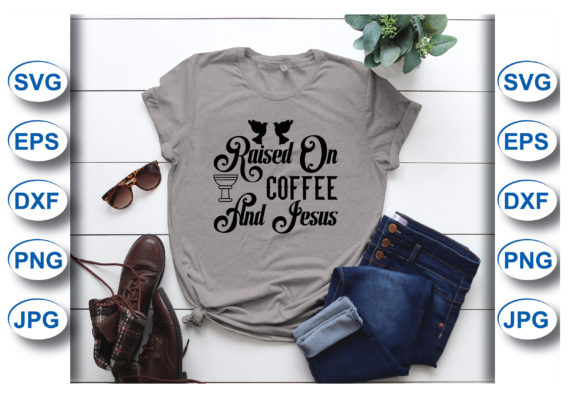
A shirt that simply types the words in a standard font may feel generic. The best versions use thoughtful typography, balanced layout, and perhaps a small graphic element—a coffee cup silhouette, a subtle cross, or a minimalist line drawing. The goal is not to shout but to invite. If you are a creator experimenting with your own version, consider how the design reads from across a room. Does the message hold up at a glance, or does it require someone to come close and squint? For retail, a clean, readable design on a neutral background often sells better than a busy one on neon fabric.
Cost versus long‑term value
For a personal purchase, a mid‑range shirt (around $25–$35) usually offers the best balance of quality and price. For a group order, bulk pricing can drop that significantly, but be wary of going too cheap if the shirt is meant to represent a community. A shirt that shrinks, fades, or pills after two washes reflects poorly on the group that chose it. Think of it as a small investment in how your community presents itself. For creators, pricing should account for the shirt cost, the print process, packaging, and a margin that lets you reinvest in better materials next time.
Who should choose this shirt
This shirt works best for someone who wants to communicate two things without explanation: that they start their day with something warm and grounding, and that a deeper faith shapes the rest of it. It is not a shirt for every occasion, but it is a shirt for many of the ordinary ones—errands, coffee runs, casual meetups, quiet Sundays, volunteer shifts. If you are someone who values authenticity over flash, and if you appreciate a piece of clothing that does a little bit of the talking for you, this shirt is likely a good match.
For creators and sellers, the demand is steady because the sentiment is evergreen. Coffee culture is not going anywhere, and faith, for many, is a constant. A design that bridges both will find buyers across generations and regions. The key is to treat the shirt not just as merchandise but as a medium—one that carries meaning as much as it carries cotton.
Matching the shirt to your own goals
Before you buy in bulk or add it to your wardrobe, ask yourself a few questions. Are you wearing this to feel connected to your own story, or to start conversations with others? Do you need a soft daily shirt, or something that stands out at an event? Are you designing for a community that values subtlety, or one that loves a bold statement? The answers will guide your choice of color, fit, print style, and even the specific wording of the phrase itself. A shirt that says Raised on Coffee and Jesus can be humble or loud, traditional or modern—it all depends on how you choose to present it.
In the end, the best version of this shirt is the one that feels right on your shoulders. Whether you are a first‑time buyer, a veteran creator, a youth leader, or someone who just wants a soft tee with a good story, the shirt offers a simple anchor: something familiar, something faithful, something you can wear into the day ahead.