Christian Jesus SVG Design: How "Saved by Grace" Shapes Modern Creative Workflows
In the intersection of faith and digital creativity, a distinct niche has emerged that captures the attention of professionals, entrepreneurs, and content creators alike: Christian Jesus SVG design, particularly themes centered on the phrase Saved by. This is not merely a collection of decorative vectors but a thoughtful integration of theological depth with practical design utility. For those working in branding, publishing, marketing, or lifestyle content, understanding this space reveals how audience expectations, workflow efficiency, and visual storytelling are evolving.
SVG (Scalable Vector Graphics) has become the standard for high-quality, responsive design across digital and print media. When combined with Christian themes—especially the core message of grace encapsulated in "Saved by"—designers have found a powerful tool for communicating identity, belief, and community. This article explores why this convergence matters, how it fits into broader market trends, and what professionals should know to leverage it effectively.
What "Christian Jesus SVG Design, Saved by" Actually Means
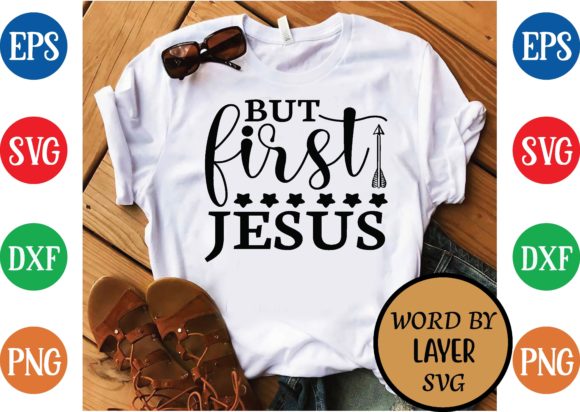
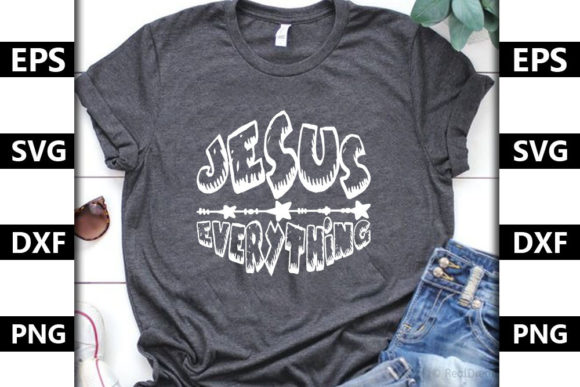
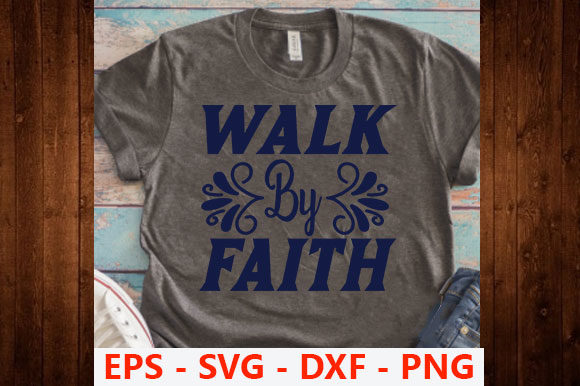
At its essence, Christian Jesus SVG design refers to vector graphics that visually represent elements of the Christian faith—crosses, doves, scripture references, Jesus imagery, and symbolic typography. The phrase Saved by often anchors these designs, referencing the core Christian tenet of salvation through grace. In practice, such designs might appear as intricate cut files for apparel, minimalist logos for ministries, social media templates, or digital art for websites and presentations.
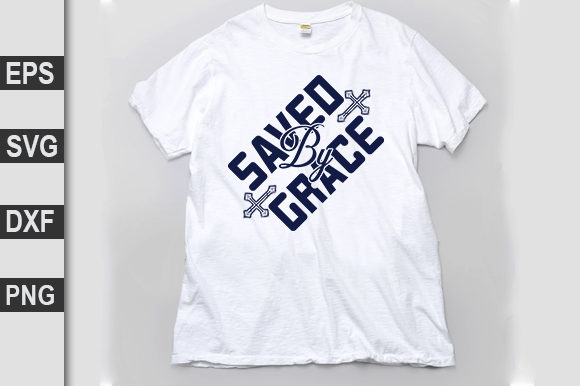
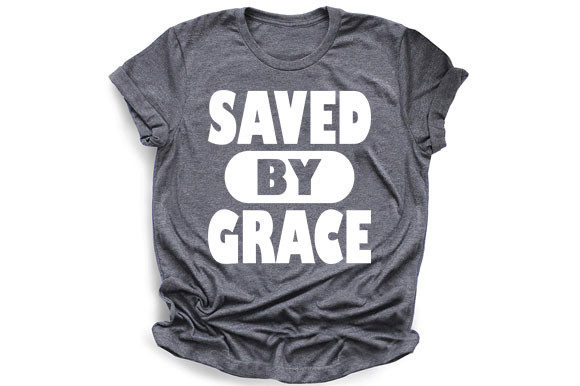
What sets this apart from generic religious clip art is the intentionality of design thinking. Modern SVG files are built for scalability, easy customization, and cross-platform use. A designer can take a "Saved by Grace" SVG, adjust colors, layer it with other elements, and deploy it across a sermon slide deck, a podcast cover, a T-shirt mockup, or an email newsletter header—all while maintaining crisp rendering and brand consistency. This flexibility is exactly what busy professionals and entrepreneurs need in a fast-paced content environment.
The Broader Industry Context: Faith, Design, and Digital Efficiency
Several converging trends make Christian Jesus SVG design particularly relevant today. First, the rise of the creator economy has empowered independent artists, writers, pastors, and small business owners to produce their own branded materials. No longer reliant on expensive agencies, they seek affordable, high-quality assets that align with their values. SVG files meet this need perfectly: they are lightweight, editable, and compatible with tools like Canva, Adobe Illustrator, Cricut, and Silhouette Studio.
Second, the demand for authentic visual identity in faith-based organizations has grown. Churches, nonprofits, and Christian influencers recognize that generic stock imagery no longer resonates with audiences who expect sincerity and craftsmanship. A well-crafted "Saved by" design communicates not just a belief but a visual culture—one that signals quality, care, and theological depth. This shift is part of a larger movement where audiences prioritize substance and aesthetics equally.
Third, the SVG format itself has become a backbone of modern web design. With the push for faster load times, responsive layouts, and accessibility, SVGs outperform raster images in nearly every technical metric. For creators who manage websites or digital products, using Christian Jesus SVG design ensures their visuals look sharp on any device, from a smartphone screen to a 4K monitor. This technical advantage is often overlooked but is critical for those serious about professional presentation.
Why People Are Paying Attention to "Saved by" SVG Designs
The phrase Saved by carries profound theological weight, but from a design perspective, it also offers a concise, emotive anchor for visual storytelling. People are drawn to these designs because they bridge two essential needs: the need for meaningful expression and the need for practical, re-usable assets.
For entrepreneurs building a faith-based brand, having a library of SVG files that can be quickly customized saves hours of production time. Instead of commissioning custom illustrations for every new product or post, they can modify existing designs with color changes, text overlays, or scaling. This efficiency is particularly valuable for small teams or solo operators who must balance content creation with other responsibilities.
Moreover, the emotional resonance of "Saved by" designs cannot be overstated. In a crowded digital landscape, messages of hope, redemption, and grace stand out. Marketers and content creators have observed that audiences engage more deeply with visuals that reflect genuine values. A simple "Saved by Grace" vector on a blog header or social media graphic often generates higher click-through rates and shares compared to generic religious imagery. This is not accidental—it reflects a broader consumer preference for authenticity over abstraction.
Freelancers and designers also appreciate the versatility of these SVGs. A single file can be used in a YouTube thumbnail, a printed bulletin, a promotional sticker, or a website hero section. This multiplies the return on investment for a single design purchase or creation effort, making it a smart asset for any creative workflow.
Changing Needs, Preferences, and Workflows
The way professionals approach visual content has changed dramatically in recent years, and Christian Jesus SVG design fits directly into these new patterns. One major shift is the move toward modular design—where elements are created once and reused across different contexts. SVGs are inherently modular, and a design featuring Saved by typography can be a core component of a larger brand kit.
Another important shift is the expectation of rapid iteration. Pastors preparing a sermon series, marketers launching a seasonal campaign, or authors promoting a new book often need multiple visual assets in a short timeframe. Having a set of editable SVGs allows them to produce consistent, high-quality materials without waiting for external designers. This agility is especially important in environments where timing and relevance are critical.
Accessibility and inclusivity are also influencing design choices. SVGs support better screen reader compatibility and can be styled with CSS, making them more accessible to people with disabilities. For faith organizations committed to inclusive communities, this is a meaningful consideration. A "Saved by" design that is both beautiful and accessible aligns with broader values of welcome and care.
Additionally, the rise of print-on-demand and custom merchandise has created a direct need for vector files that can be used on physical products. Christian authors, speakers, and influencers often sell apparel, mugs, or wall art featuring powerful phrases. SVGs are the standard format for such production because they scale perfectly to different product sizes without losing quality. This practical reality has made Christian Jesus SVG design an essential part of many faith-based product lines.
Practical Examples of "Saved by" SVG Designs in Action
Consider a freelance graphic designer who creates content for a mid-sized church. Instead of building every graphic from scratch, they maintain a library of Christian Jesus SVG design files that include variations of "Saved by Grace," "Saved by Love," and "Saved by Faith." When the pastor announces a new sermon series on redemption, the designer immediately pulls the base SVG, updates the color palette to match the season, and produces a full suite of materials—slides, social tiles, flyers, and email headers—in under two hours. This efficiency would be impossible with traditional raster-based workflows.
Another example: an entrepreneur launching a line of Christian merchandise for young adults. They commission a set of SVGs that combine minimalistic cross icons with the phrase "Saved by." These designs are then printed on T-shirts, hoodies, and phone cases. Because SVGs maintain resolution at any size, the same files are used for product mockups, e-commerce listings, and promotional graphics. The consistency strengthens brand recognition, and the adaptability reduces production costs.
A nonprofit organization focused on recovery and hope uses a branded SVG featuring "Saved by Mercy" as its primary visual identifier. The file appears on the website header, donation pages, social media profiles, and printed materials. The simplicity of the vector design ensures that even on low-bandwidth connections, the logo loads quickly and clearly. This may seem like a minor detail, but for organizations serving communities with limited internet access, it makes a tangible difference.
Connecting to Larger Developments in Technology and Culture
The relevance of Christian Jesus SVG design extends beyond the faith community. It reflects a larger cultural movement toward visual shorthand and meaningful symbolism. In an era of information overload, people gravitate toward images that communicate values instantly. A "Saved by" design does exactly that—it signals belonging, conviction, and hope in a single glance.
Technologically, the SVG format continues to gain traction as web standards evolve. With the declining use of Flash and the growing emphasis on responsive design, SVGs have become the preferred solution for icons, logos, and illustrations. This technical shift supports the demand for Christian-themed vectors that are both beautiful and functional. As more platforms and tools adopt native SVG support, the utility of these designs will only increase.
From a business perspective, the faith-based market is significant and often underserved by generic design resources. Entrepreneurs and creators who invest in high-quality Christian Jesus SVG design are positioning themselves to meet a real demand. Whether it's a small church needing a new logo or a global ministry launching a digital campaign, the need for professional, scalable, and meaningful visuals is constant.
Moreover, the trend toward micro-entrepreneurship in the creative sector means more individuals are building small businesses around their skills. Offering "Saved by" SVG sets on marketplaces like Etsy or Creative Market can be a viable revenue stream for designers. This aligns with the broader gig economy and the desire for flexible, purpose-driven work.
What This Means for Professionals and Creators
For designers, marketers, entrepreneurs, and content creators, the message is clear: integrating Christian Jesus SVG design with themes like Saved by is not just a niche interest but a strategic choice. It meets real needs for efficiency, authenticity, and scalability. Professionals who embrace this approach can deliver higher quality work in less time, while also connecting with audiences on a deeper level.
The key is to treat these designs as assets—editable, adaptable, and intentional. Rather than viewing them as static images, think of them as building blocks for a larger visual system. This mindset aligns with modern design practices and positions creators to respond quickly to changing demands.
As the lines between digital and physical, personal and professional, and creative and functional continue to blur, having a solid foundation in vector design becomes increasingly important. Christian Jesus SVG design, anchored by the powerful phrase "Saved by," offers a meaningful and practical entry point into this evolving landscape.
Whether you are building a brand, launching a product, or simply looking to communicate faith with clarity and beauty, these designs provide a reliable and resonant toolkit. The combination of theological depth and technical flexibility makes them a smart choice for anyone serious about creative excellence in the faith space.