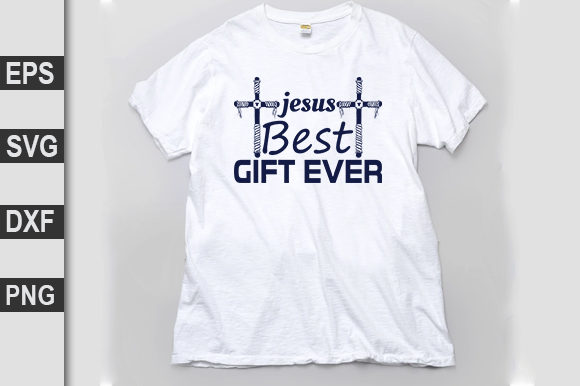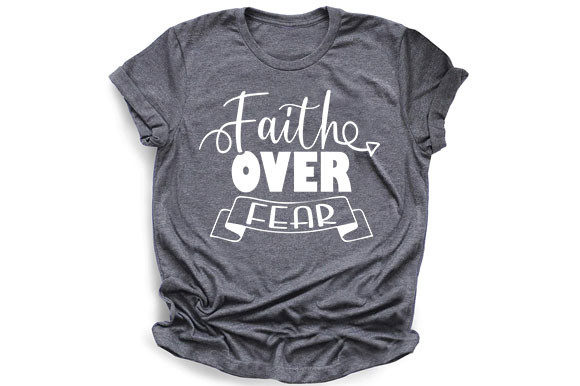
Christian Jesus SVG Design: Using Faith-Focused Visuals with Purpose
When you work with Christian Jesus SVG design, you are handling more than a decorative file. You are shaping how people encounter faith through visual communication. Whether you run a small ministry, publish devotional content, build products for a faith-based audience, or lead a creative team, the way you use these designs affects perception, clarity, and even trust. The phrase “faith over” often appears in these designs — a concise reminder that faith takes priority over fear, doubt, or circumstance. But using that phrase or any Jesus-centered SVG requires strategic thought, not just aesthetic preference.
This article walks through what Christian Jesus SVG design actually offers, why it matters beyond decoration, and how to approach it with intentionality. You will find practical guidance on planning, positioning, branding, and long-term use. You will also learn what can go wrong when these designs are used without clear goals, and how to avoid those pitfalls.
What Christian Jesus SVG Design Means for Your Work
SVG stands for scalable vector graphic. Unlike pixel-based images, SVGs can be resized without losing quality, which makes them highly useful for print, web, merchandise, and digital products. When you add Christian themes — especially imagery of Jesus or phrases like “faith over fear” — you gain a flexible asset that can carry spiritual meaning across multiple formats.
But the strategic value goes beyond technical flexibility. A well-designed Christian Jesus SVG can serve as a visual anchor for your brand, your message, or your community. It communicates values quickly. It signals to your audience that faith is central to what you do. For entrepreneurs and creators serving Christian audiences, this kind of design can shorten the distance between your product and your customer’s identity.
That is why thoughtful use matters. A generic clip-art approach can weaken your credibility. A deliberate, well-crafted design, used consistently, reinforces trust and recognition.
Why Intentional Use Supports Better Outcomes
Every visual choice you make influences how people interpret your message. When you select a Christian Jesus SVG, you are deciding not only what people see, but what they feel and remember. If your goal is to encourage, educate, or inspire action, the design must align with that purpose.
Branding and Positioning
For a small business or ministry, a consistent visual identity builds recognition over time. Using a specific Jesus SVG style — whether minimalist, rustic, modern, or illustrated — across your website, social media, and products creates a cohesive brand. Your audience begins to associate that look with your voice. This is especially valuable in a crowded space where many faith-based products compete for attention.
Consider a creator who sells printable Bible verse art. If every design uses a different style and font, the brand feels scattered. But committing to a single SVG aesthetic — perhaps a hand-drawn Jesus figure with the words “faith over worry” — unifies the product line. Customers know what to expect, and they return because the brand feels reliable.
Communication and Clarity
Images communicate faster than text. A Christian Jesus SVG can convey a sermon theme, a devotional focus, or a community value in seconds. For example, if you run a church social media account, using a consistent SVG design with the phrase “faith over fear” during a series on courage helps people connect the visual to the message instantly. That visual shorthand is powerful when used consistently over weeks or months.
For marketers, this means less reliance on lengthy captions. The design itself does part of the communication work. But this only works if the design is clear, readable, and emotionally appropriate for the context.
Creativity and Productivity
SVG files are editable. You can change colors, resize elements, combine with other graphics, and adapt them for different projects without starting from scratch. This saves time and keeps your creative work aligned with your core message. If you produce daily devotionals, weekly printables, or seasonal content, having a library of Christian Jesus SVGs that fit your brand allows you to produce more without sacrificing quality.
The productivity gain is real. Instead of searching for new imagery every time, you reuse and adapt what already works. That frees up mental energy for writing, planning, and connecting with your audience.
When to Use Christian Jesus SVG Design
Timing and context matter. Using a Jesus SVG design at the wrong moment or in the wrong format can confuse your audience or dilute your message. Here are realistic scenarios where these designs add value.
- Brand identity materials. Website headers, logos, and social media profile images benefit from a consistent SVG that represents your faith-based mission.
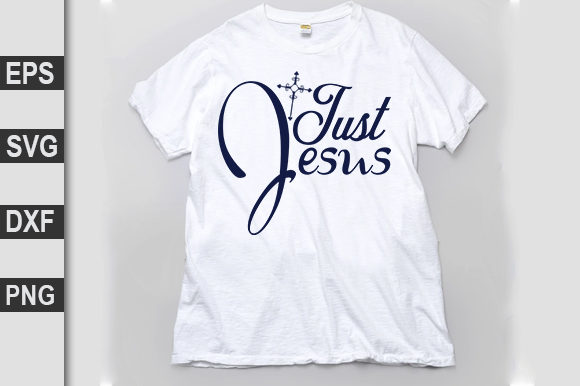
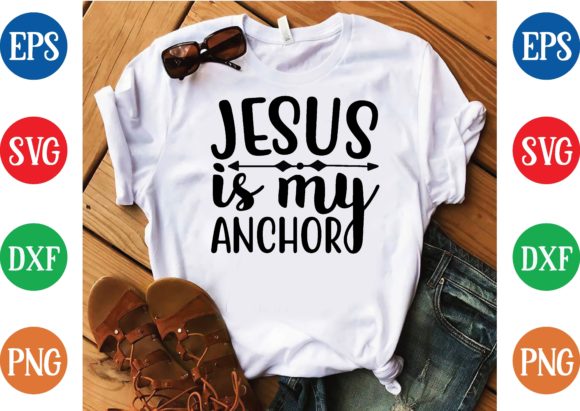
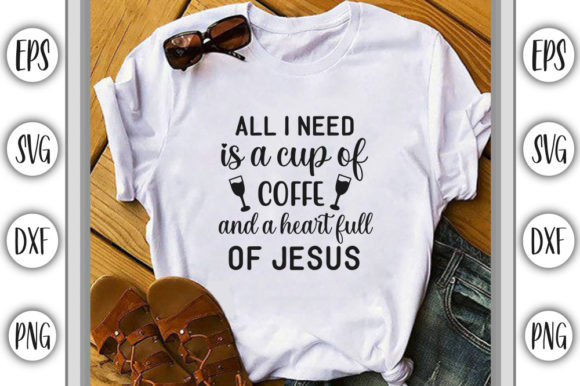
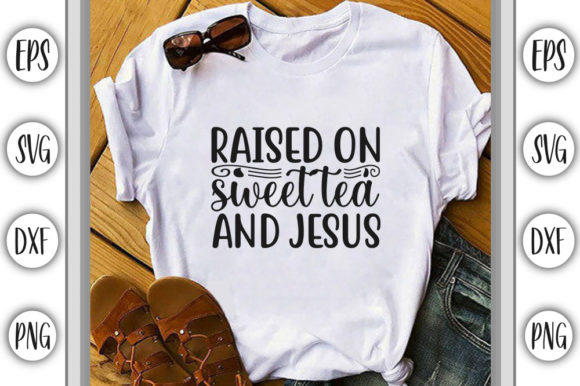
- Product design. T-shirts, mugs, journals, and wall art often rely on SVGs for clean, scalable production. Christian themes with Jesus imagery and faith-based phrases like “faith over doubt” resonate with buyers who want daily reminders.
- Content creation. Blog posts, newsletters, and video thumbnails can include a relevant SVG to reinforce the topic. A post about trusting God through uncertainty might feature a design with “faith over fear” alongside a simple cross or figure.
- Event materials. Retreats, conferences, or small group series can use a custom SVG for signage, programs, and promotional graphics. This creates a unified visual experience for attendees.
- Educational resources. Curriculum, worksheets, and study guides for children or adults can integrate SVGs to make the material more engaging without distracting from the content.
Each of these use cases works best when the design is intentional — chosen for its fit with the audience, the medium, and the message.
How to Approach It Strategically
Before you download or commission a Christian Jesus SVG, ask yourself what outcome you want. This shifts your focus from “I like this design” to “this design will help me achieve something specific.”
- Define your audience. Are you designing for young adults, families, church leaders, or a broader Christian audience? The style that connects with one group may not work for another. A modern, minimalist SVG might appeal to a younger demographic, while a more detailed, traditional illustration may resonate with an older congregation.
- Clarify your message. What central idea should the design communicate? If your brand focuses on hope, select imagery and typography that feel uplifting. If your emphasis is on strength or perseverance, choose designs that convey resilience.
- Test for consistency. Place the SVG next to your other visual assets. Does it feel like it belongs? If not, either adjust the design or reconsider whether it fits your long-term strategy.
- Plan for multiple formats. Since SVGs scale without quality loss, you can use the same file for a small social media icon and a large banner. Make sure the design works well at both extremes. Some intricate details may disappear at small sizes, so simplicity often wins.
- Consider licensing and usage rights. Not all SVGs are free for commercial use. If you plan to sell products or use the design in marketing, verify that you have the appropriate rights. This protects you legally and supports the designers who create quality work.
What to Consider Before Relying on It
Using Christian Jesus SVG design without clear goals can lead to several problems. Being aware of these risks helps you make better decisions.
Loss of Distinctiveness
When everyone in the faith-based space uses similar designs, your brand blends in. If you choose an SVG that looks like dozens of others, you lose the opportunity to stand out. The solution is not to avoid popular designs, but to customize them — change colors, add your own typography, combine elements in a unique way. Even small adjustments can make a design feel distinctly yours.
Misalignment with Message
A design that feels too casual for a serious topic, or too heavy for a lighthearted one, creates cognitive dissonance. Your audience senses the mismatch even if they cannot articulate it. Over time, this erodes trust. Always evaluate whether the tone of the SVG aligns with the emotional weight of your content.
Overuse Without Purpose
Putting a Jesus SVG on every piece of content just because you can weakens its impact. When everything is branded with the same design, nothing feels special. Reserve your most powerful designs for key messages, launches, or moments when you want to emphasize faith-based identity. For routine content, use simpler versions or variations that still feel connected to your brand.
Neglecting Accessibility
Not all SVG files are coded with accessibility in mind. If you use SVGs on your website, ensure they have proper alt text and are readable by screen readers. This matters for inclusivity and also aligns with best practices for search visibility. A design that cannot be perceived by all users limits your reach.
Practical Examples of Intentional Use
Let’s look at a few grounded scenarios to see how strategic thinking changes outcomes.
Example 1: A small online shop selling faith-based apparel. The owner chooses a single Jesus SVG design featuring a simple line-art portrait and the words “faith over fear.” She uses this design on three products: a t-shirt, a tote bag, and a journal. She keeps the color palette consistent across all items — soft neutrals with one accent color. Over six months, customers begin to recognize the design as her signature. Sales increase not because the design is flashy, but because it is recognizable and trusted.
Example 2: A church youth group creating a social media campaign. The team selects a set of SVG designs featuring different faith-based phrases: “faith over doubt,” “faith over worry,” “faith over anger.” They use one design per week alongside quotes and discussion questions. The series builds anticipation. Followers look forward to the next installment. The consistency creates a rhythm that deepens engagement.
Example 3: A freelance content creator who offers digital wallpapers. Instead of using random free designs, she commissions a custom SVG that reflects her personal testimony style. She releases a new wallpaper each month, always featuring the same Jesus figure but with varying backgrounds and phrases. Her audience grows because they connect with both the visual and the message. The custom design becomes a signature that sets her apart from other creators offering generic imagery.
Long-Term Value and Decision-Making
Christian Jesus SVG design is not a trend to chase. It is a tool for communicating faith with clarity and consistency over the long haul. When you treat it as part of your strategic toolkit — alongside your writing, your product development, and your customer relationships — you gain more than visual appeal. You gain alignment.
Every time you use a design intentionally, you reinforce your message. Every time you reuse a trusted visual, you build recognition. Over months and years, these small decisions compound. Your audience does not just see your content; they feel the coherence behind it.
That is the real value of thinking beyond the surface. Whether you are an entrepreneur building a brand, a pastor planning a sermon series, or a creator building a loyal following, the choice to use Christian Jesus SVG design with purpose is a choice to communicate better. It is a decision that respects both your message and the people you serve.
Start with clarity. Stay consistent. Let the design work for you, not the other way around.