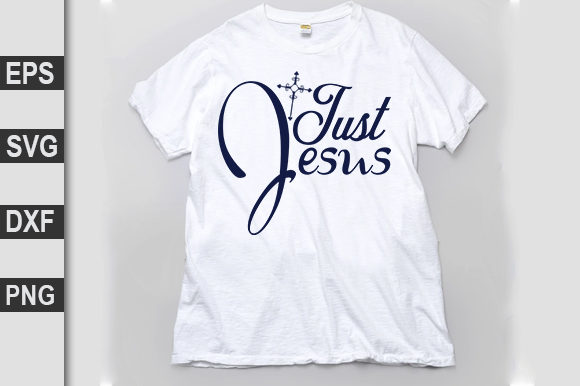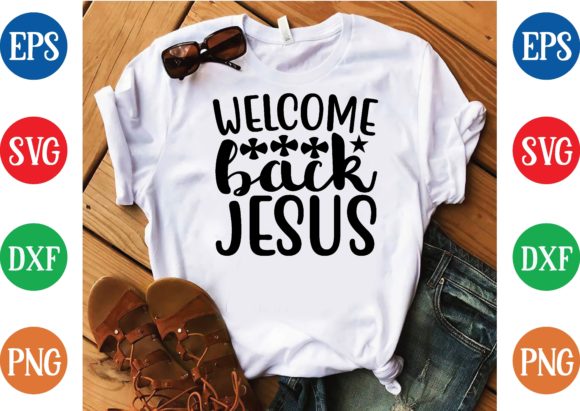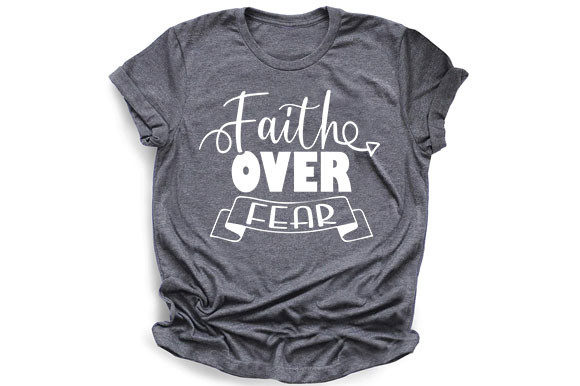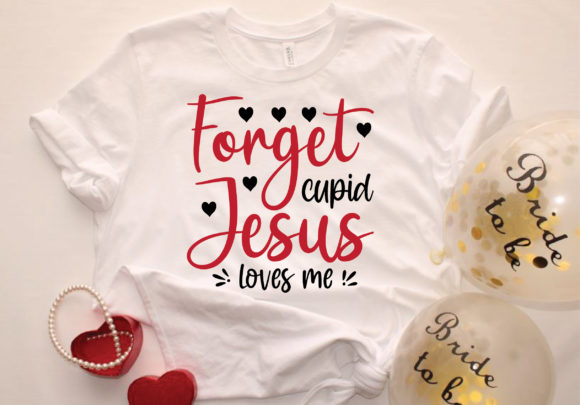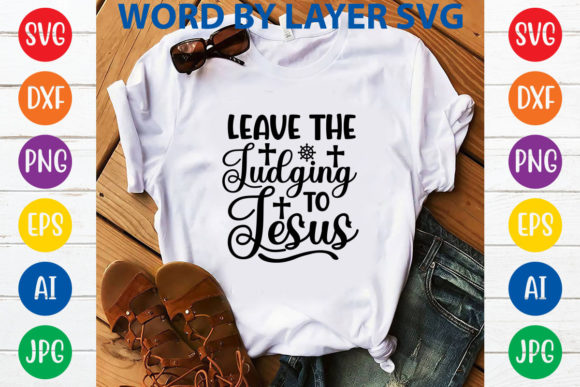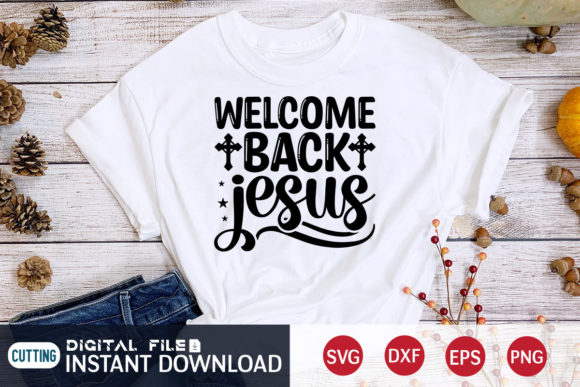
Welcome Back Jesus SVG for Faith-Focused Crafts
When you search for Welcome Back Jesus SVG or Jesus SVG Cut files, you are looking at designs that blend personal faith with digital creativity. These are vector-based graphics, typically used with cutting machines like Cricut or Silhouette, to create physical items such as shirts, wall art, greeting cards, and banners. The phrase “Welcome Back Jesus” carries a theological meaning for many—referencing the Second Coming or a season of spiritual renewal—while the SVG format gives you the freedom to scale, customize, and produce those words in almost any medium.
For some, these files are a quick way to produce a meaningful gift. For others, they are the foundation of a small business or a teaching tool in a classroom or church setting. How you approach a Welcome Back Jesus SVG depends heavily on your goals, your comfort with design software, and the audience you are trying to reach.
What Exactly Is a Welcome Back Jesus SVG?
A Jesus SVG Cut file is a digital blueprint. Unlike a static image like a JPEG or PNG, an SVG retains crisp edges at any size and allows you to isolate individual letters or shapes. This makes it ideal for cutting materials like vinyl, cardstock, or heat transfer foil. When you add the “Welcome Back Jesus” text and any accompanying artwork—crosses, doves, rays of light, or simple typography—you have a design that can be applied to a tote bag, a wooden sign, a coffee mug, or a church bulletin.
The appeal is twofold. First, the message itself resonates with people who celebrate Easter, Advent, or any time of spiritual reflection. Second, the SVG format gives you control over size, color, and layout that you simply do not get with a printed image. You are not stuck with someone else’s choice of font or arrangement.
Why Different People Care About These Designs
Your reasons for looking at a Welcome Back Jesus SVG may be very different from the next person’s. A hobbyist might want a single project for a Sunday school class. A business owner might need a set of designs that can be produced repeatedly and sold at a craft fair. A teacher might use the file as a visual aid in a lesson about religious symbolism. Understanding those differences helps you evaluate whether a particular file is worth your time and money.
- Beginners often prioritize ease of use. They want a file that opens cleanly in their cutting machine software, with no missing layers or confusing groupings. A simple design with clear outlines and a single color works best when you are still learning how to weed vinyl or align a design on a blank shirt.
- Experienced creators look for flexibility. They may want layered files that can be separated by color, or SVG cuts that include both a solid version and a sketch-style version. They are comfortable adjusting curves, splitting paths, or combining elements from multiple files.
- Small business owners evaluate commercial value. Can the file be used on products for sale? Is the license clear? Does the design appeal to a broad enough audience to justify the production cost? They also care about speed—a file that cuts cleanly on the first try saves time and materials.
- Educators and ministry leaders consider learning value and presentation. They may use the SVG to create a visual display for a lesson about the Second Coming or to make take-home crafts that reinforce a message. They need designs that are theologically neutral enough for a diverse group yet specific enough to be meaningful.
Beginners: Getting Started Without Frustration
If you have never used a cutting machine before, the idea of opening an SVG file can feel intimidating. The good news is that most Jesus SVG Cut files are designed to work right out of the box. You download the file, unzip it if needed, and upload it to your machine’s design software. Look for files that include a clear preview image so you know exactly what the cut will look like. Avoid overly intricate designs with tiny details when you are still practicing weeding and transfer tape application.
A practical example: suppose you want to make a simple “Welcome Back Jesus” sign for your home. A single-color SVG with bold, block letters and a small cross will cut quickly and transfer easily to a piece of painted wood. You can finish the project in under an hour. That sense of accomplishment matters when you are building confidence with a new tool.
Experienced Users and Creators: Pushing the Design
If you have been working with SVGs for a while, you likely have strong opinions about file quality. You want clean paths without unnecessary nodes, consistent spacing, and designs that scale without losing integrity. When evaluating a Welcome Back Jesus SVG, you might open it in software like Inkscape or Illustrator to inspect the layers. Does the file separate the text from the background elements? Can you easily change the font if you want a different style?
Consider a scenario where you are designing a series of shirts for a church retreat. You want the “Welcome Back Jesus” design to appear on the front, and you want to add each person’s name on the back. A well-constructed SVG cut allows you to keep the main design intact while adding text without distorting the original layout. That kind of flexibility saves hours of rework.
Small Business Owners and Entrepreneurs: Balancing Cost and Quality
If you sell finished products, your relationship with an SVG file becomes transactional. You need designs that appeal to your customers, cut reliably in bulk, and come with a commercial use license that protects you. The cost of a single Jesus SVG Cut file may seem small, but add up the volume of products you produce, and every cent matters. At the same time, a poorly constructed file that wastes vinyl or takes extra time to weed cuts into your margin.
Think about a typical weekend market. You have limited time to produce inventory. A design that layers three colors may look stunning on screen, but if it requires precise registration and takes ten minutes per shirt, you may be better off with a one-color version that you can produce in two minutes. Your priority is reliability and speed. Look for files that have been test-cut by the seller and include notes about recommended material settings.
Another factor is presentation. Your customers are not buying an SVG; they are buying the finished product. A clean, legible “Welcome Back Jesus” design on a well-made garment or sign can command a higher price because it looks professional. The SVG is just the starting point, but its quality directly affects your final product.
Educators and Ministry Leaders: Using SVGs as Teaching Tools
In a classroom or church setting, the same SVG file can serve multiple purposes. You might use it to create a visual banner that reinforces a lesson theme. You could also print the design on cardstock for a coloring or tracing activity, or cut it from felt for a hands-on storytelling element. The key is finding a design that is clear, not overly cluttered, and adaptable to different age groups.
For example, a Welcome Back Jesus SVG with a simple dove and olive branch can be used with preschoolers as a coloring sheet, with elementary students as a cut-and-paste craft, and with teens as a screen-printed T-shirt design for a service project. The same file, used differently, reaches different developmental stages. When you choose an SVG for educational use, consider the line weight—thicker outlines are easier for small hands to cut—and whether the design includes elements that can be discussed symbolically.
Evaluating Ease of Use, Cost, and Flexibility
No single Jesus SVG Cut file is perfect for everyone. Your own priorities will shape which design you choose. Here are the factors most people weigh when deciding:
- Ease of use: Does the file open cleanly in your software? Are there clear instructions? Beginners should look for files labeled “easy weed” or “single layer.”
- Cost: Free files exist, but they may lack quality or clear licensing. Paid files often include better support, multiple format options (SVG, DXF, PNG), and commercial use rights. Decide what your budget allows and what you are willing to trade off.
- Quality: Zoom into the preview. Are the curves smooth? Is the text well-spaced? A file that looks good at small size may reveal jagged edges when enlarged. Test a sample if possible.
- Flexibility: Can you resize the design without distortion? Can you separate elements or change colors? Multi-layer files give you more creative control but require more skill to use.
- Long-term usefulness: Will this design still be relevant next year, or is it tied to a specific season or event? Timeless themes like “Welcome Back Jesus” have lasting appeal, but a design that includes a specific date may become dated quickly.
Matching the SVG to Your Goals
The best way to choose a Welcome Back Jesus SVG is to be honest about what you want to achieve. If you are a hobbyist making a one-time gift, any clean file that speaks to you will do. If you are a business owner, test a sample before committing to a bundle. If you are an educator, look for versatility and simplicity. If you are a creator who loves tweaking designs, invest in a file that gives you room to customize.
Ultimately, these SVG files are tools. They lower the barrier between a meaningful message and a physical object that people can see, hold, or wear. Whether you are crafting for yourself, your community, or your customers, the right file makes the process smoother and the result more satisfying. Take the time to look at the details, check the license, and imagine how the final piece will look. That small investment of attention pays off in the finished product.